 @natematias
 @natematias
A Promise among Community and Ancestors: Accepting Tenure at Cornell
Published:
On a side road in the village of Vestal around the corner from the Skylark Diner, there is a red cottage that no longer has the iron railings my great grandfather hand-forged as a blacksmith.
Riding my bike between Ithaca and New York City, I sometimes follow the Susquehanna river to Vestal along New York’s Southern Tier, passing by the ghosts of the IBM headquarters where my grandfather worked, through the decommissioned bible college where my cousin taught preaching, and down past Scranton, where visitors tour the mines that brought my mother’s people to this beautiful, down-to-earth part of America. As I roll into New York City, I think about my students from the Finger Lakes, Binghamton, West Chester, the Bronx, and Manhattan who are defining the future of their own communities.
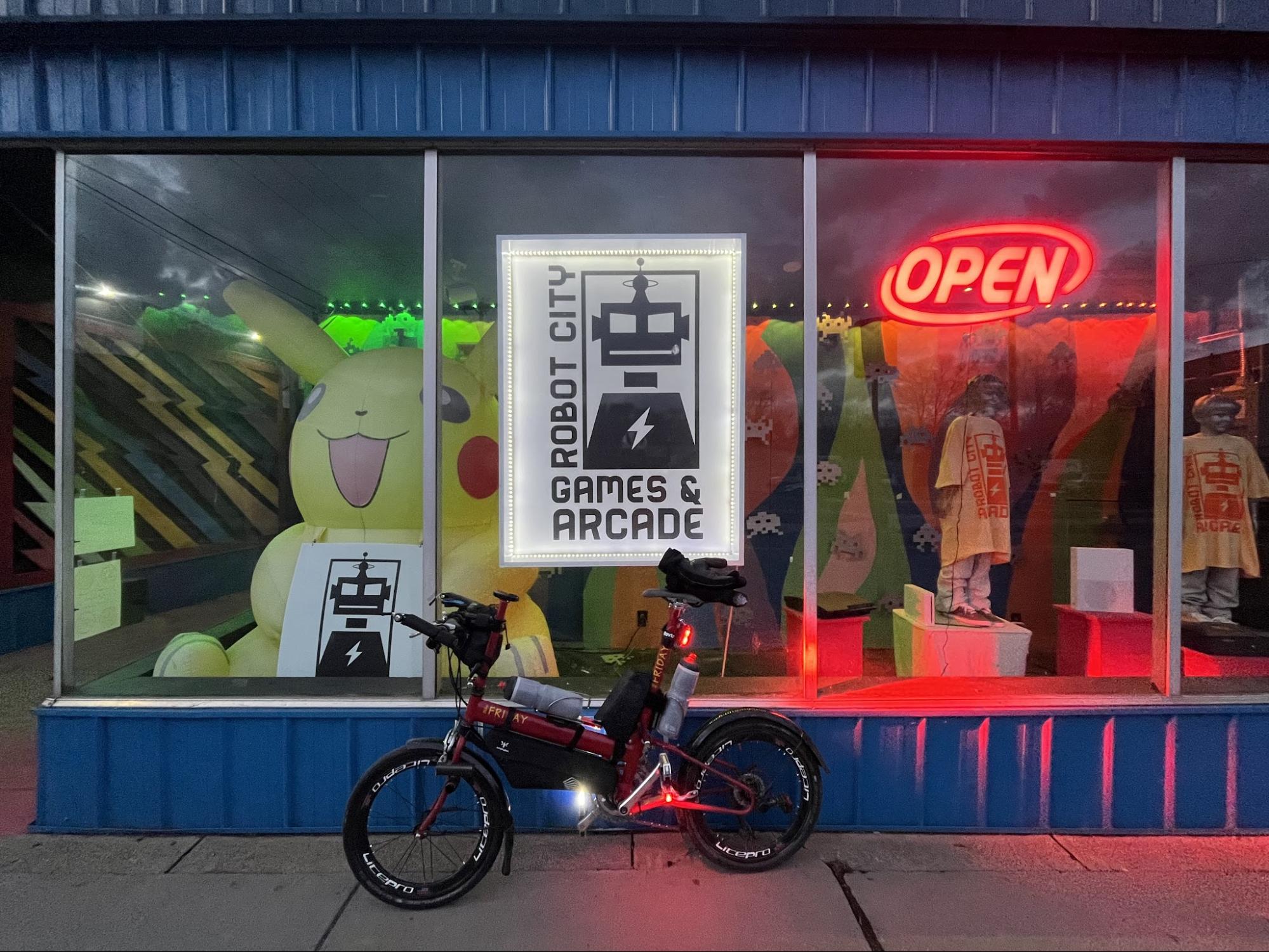 (Stopping at the Robot City Arcade in Binghamton for a quick game of Galaga on a ride home from New York City in 2025)
I remembered the cottage in Vestal this month when I received the news that I have been granted tenure by Cornell University. As a professor partly funded by the people of New York State, I’m expected to do world-class science while firmly planted in the communities who trust me with their young people’s futures. In my research, I work alongside communities in New York and around the world to imagine beneficial uses of digital technology and test those systems to spot and prevent harms (meet the team). Throughout my work, I advocate for the idea that science at its best performs a public service, and that the best science starts with the curiosity and passion of public involvement. So I want to share what the tenure decision means to me.
So What Really IS Tenure?
Tenure in North America started as a way for colleges like Harvard and Yale to retain talented faculty during the economic boom of early colonization. By promising indefinite employment, universities could pay professors at below-market rates and benefit from their long-term commitment to the institution. In the 19th century, Cornell offered indefinite appointments as an extra incentive for faculty to choose rural New York over city jobs. Tenure became more widespread in the early 20th century as a reform to the gilded age patronage system of boss politics that made so many careers subject to graft and retaliation from wealthy donors. In this form, tenure offered academic freedom and job security in exchange for a commitment to integrity over the long term.
In a world of real hardship, who decides on such a rare and precious right? Universities have a dizzying number of checks and balances. Last spring, I compiled over a hundred pages with everything I’ve done for the last 25 years. My department asked prominent scholars around the world to review my materials and send in-depth opinions (I’m not told who). My department then reviewed and voted on the entire file, followed by three more groups at Cornell. When you factor in every form of evaluation, an offer of tenure represents reviews from hundreds of independent scholars, a decision respected by universities everywhere.
What’s so important that it deserves a decades-long trial period? Three years before IBM opened its doors outside Binghamton in 1911, the British journalist G.K. Chesterton wrote in his book Orthodoxy that “tradition means giving votes to the most obscure of all classes, our ancestors.” As a student in the humanities, social sciences, and engineering, I learned to carry on the work of ancestors I never met, supported by generous mentors who knew they wouldn’t see the outcome in their lifetimes.
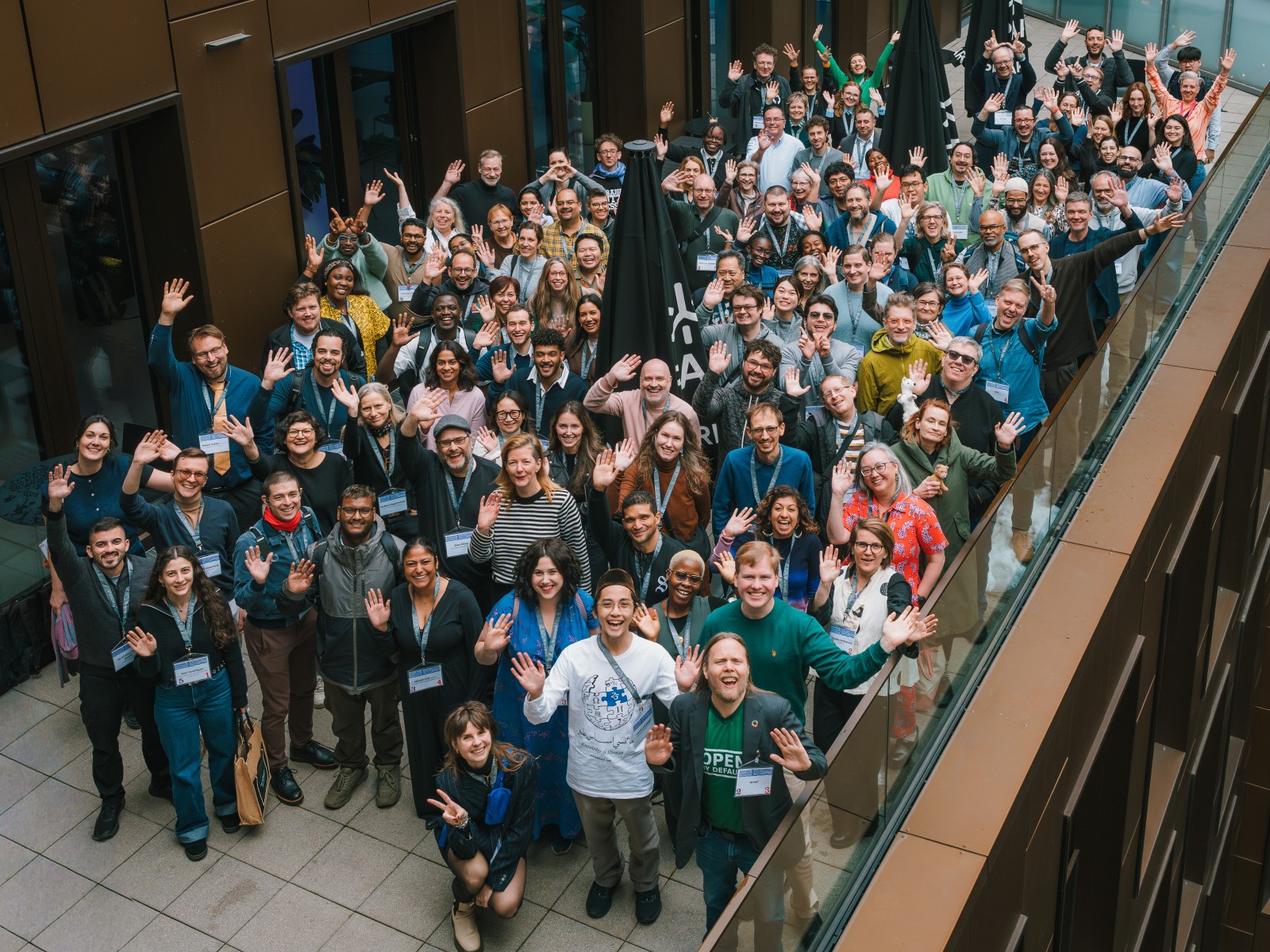 (Community leaders at the Wikimedia Futures Lab in January 2026- Photo by Jason Ekvidi CC-BY-SA 4.0)
The Promises of Tenure
While universities are far from monasteries, tenure is similar to the vow of stability that Benedictine monks make to their community - a stability that depends on the commitment of support from our institutions. Tenure is a responsibility to shepherd the human search for understanding into the next generation. It’s a right granted by peers who trust we will do justice to this search long after they are gone.
The work of a professor is just a job. It also means something enduring, whichever employers host us across a long career. As a conversation with ancestors and the public of our own time, tenure is a promise for the future. And as Adrienne LaFrance (who supported me early in my career) recently argued in The Atlantic, “Americans have a civic obligation to demand the highest standards from anyone who promises to represent their interests.”
So I think it’s only fair to share some of the promises I made in the tenure file I submitted to Cornell:
-
I will continue to prioritize science that grows our basic understanding of the world by measurably improving people’s lives. Over the years, I’ve worked with communities of millions to connect people across difference, prevent online harassment, and redress harmful failures of social media and AI. Along the way, I’ve shown how the public can make our digital environments safer, fairer, and more understanding in partnership with scientists like me. I promise to continue and grow that work.
-
As an educator, I try to equip students to find ways of life that combine technical excellence with the wisdom to be good neighbors, parents, leaders, and citizens. In this role, I am a keeper of what humanity has learned so far. I also prepare students for a future of regular technology upheaval. As someone from a community that science has historically excluded, I love watching diverse students go on to think and hope, to build, critique, and lead in ways I cannot begin to imagine—whether or not they are conventionally successful.
-
It’s also my job to tend the candle of human knowledge for the next generation. My father’s family is Guatemalan, and I often think of how close we came to losing the heritage of Mayan language that my ancestors carved into stone. In the 1560s, a Spanish priest burned all but four of the paper books of Mayan writing. Knowledge of reading and writing was lost for centuries until a group of indigenous leaders and international scholars recovered it in the 1960s. Like keepers of the homely house of Rivendell in Tolkien’s book The Hobbit, I do occasionally gear up to protect knowledge. But the work of providing a haven for learning more often involves committee meetings - something Tolkien got pretty right in his novel The Lord of the Rings.
-
As a scholar supported by taxpayers, I also have a duty to people who sustain and yearn for democracy. In the 19th century, Alexis de Tocqueville wrote that “the graces of the mind, the fire of imagination, depth of thought” all flourish and reinforce democracy, since democratic institutions are incentivized to serve society as a whole. Universities don’t always live up to this promise, but it’s a promise I am committed to making more true each day.
-
I also make a commitment to integrity. I’ve long argued that the public deserves evidence about the safety and reliability of technology that is independent from the people who profit. Sustaining industry-independent research requires creativity in a time of rising inequality as the tech industry takes an escalating share of money and political power. The financial stability of tenure helps, but I didn’t wait for tenure to act on principle, and I pray for the ongoing wisdom to pursue a life of pragmatic integrity.
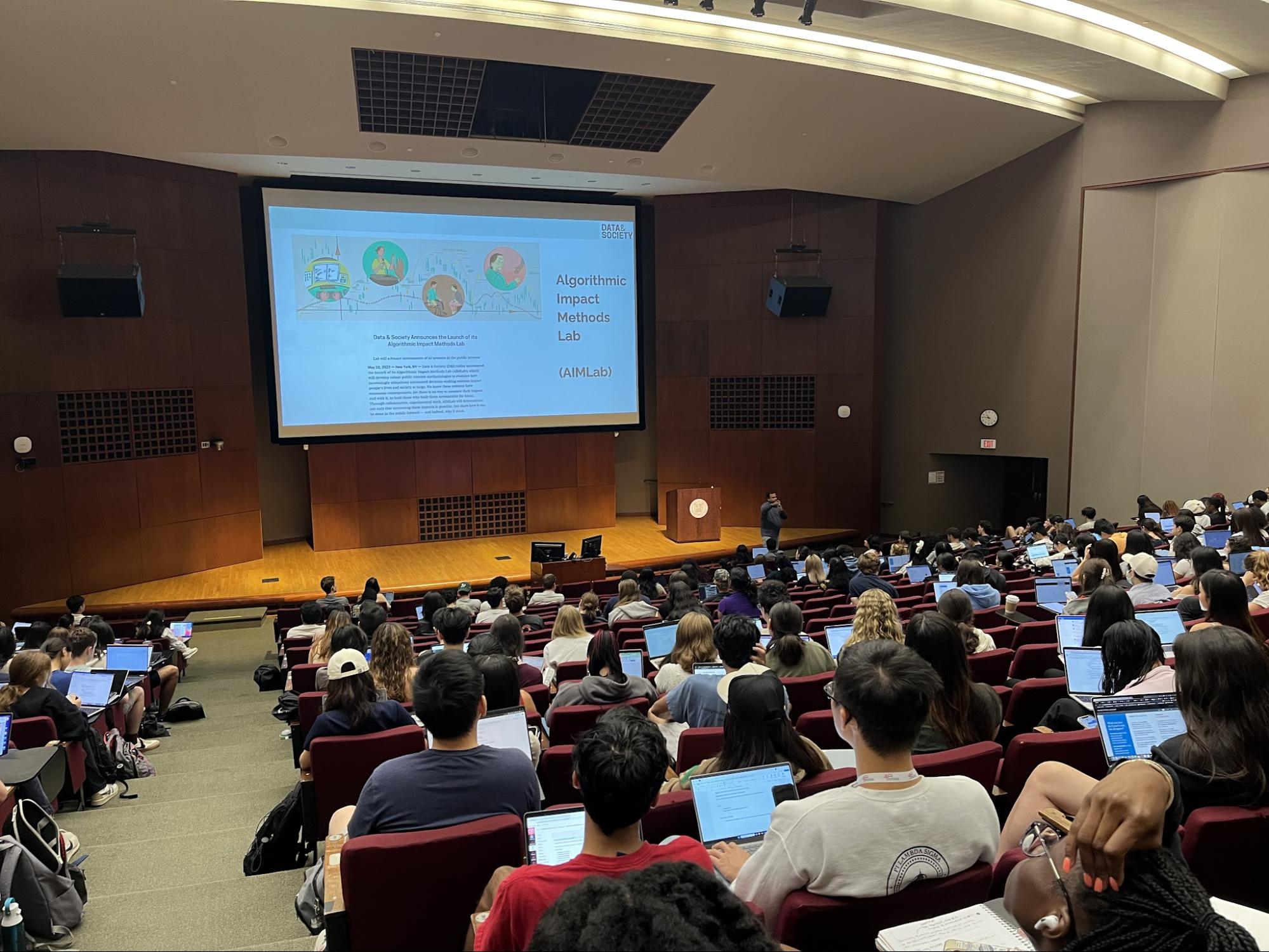 (Ranjit Singh from Data & Society speaks with the class I teach, COMM2450, about hiring algorithms in 2023)
Back in Vestal, the Skylark diner still serves pancakes, eggs, and coffee, but my great grandfather’s iron railing is no longer at the house where he once lived. IBM has come and gone. The coal yards are a distant memory, replaced by plans for AI datacenters. Yet my family has kept alive our values, stories, and songs through each era. I think of them often when I bicycle the roads where they laughed, flirted, drove too fast, argued, and imagined the future together.
As a professor with tenure, my job is now to carry light for the communities I serve and to kindle that light throughout my career. I’m grateful to all those who have supported me and hopeful about what this honor will make possible for our shared future.
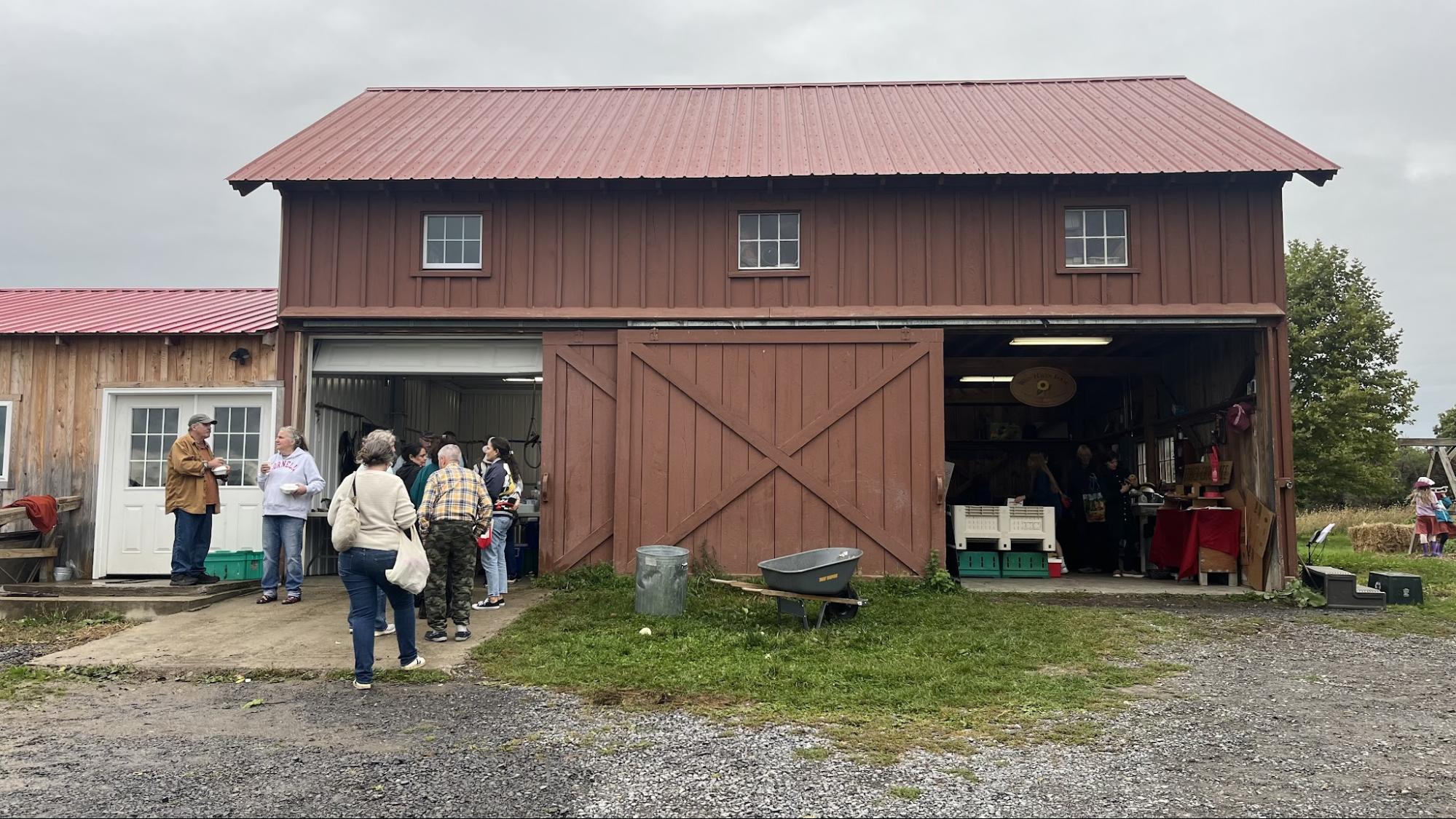 (An end of year harvest celebration over tamales on Ithaca’s West Hill in 2024)
Sharing Gratitude
A full list of thank-yous would include hundreds if not thousands of names — I actually tried this in 2012 and had to create special software just to keep track!
Across my seven years at Cornell, I owe so much appreciation to the many community partners around the world who have trusted me and CAT Lab with your stories, data, and hopes. This work was only possible due to the committed work of so many on the CAT Lab team who have shared your brilliance, community, and care.
I am deeply grateful to the Cornell Department of Communication, who bet on me, fostered an encouraging environment, and supported me in countless ways, especially during the COVID-19 pandemic. I received so much practical insight over the years from the Office of Faculty Development and Diversity, the Einhorn Center for Community Engagement, my colleagues in the Faculty Senate, and so many individual colleagues who made space in your lives, your grants, your kayaks, and your communities for me.
CAT Lab’s partnerships with communities have always relied on the support of visionary funders, from philanthropic foundations and the National Science Foundation to the individual donors who put faith in us. Some of the most precious gifts have been time and community, and I’m grateful to the Einhorn Center at Cornell, the Knight First Amendment Institute at Columbia, the Center for Advanced Study in the Behavioral Sciences at Stanford, the Radcliffe Institute at Harvard, the Institute for Advanced Study, the Aspen Institute, the Berkman Klein Center for Internet and Society, the Princeton Center for IT Policy, Global Voices, the Wikimedia movement, the Data and Society Research Institute, Consumer Reports, the Harvey Fellowship, the AAAS Dialog on Science, Ethics, and Religion, the Veritas Forum, the Human Rights Data Analysis Group, and the Massachusetts Council of Churches for the generosity of time and conversation.
Most of all, I’m grateful to family, friends, neighbors, and colleagues whose supportive care, frank criticism, and fierce love have sustained my life, keeping me honest and on track. In this journey, I’m especially grateful to the community at the Coalition for Independent Technology Research, who have been the best friends you can hope for when times are tough and everything seems upside down.
Finally, I want to thank the lands of Central New York, whose seasons grant healing and hope to those who love them, care for them, and pause to notice.
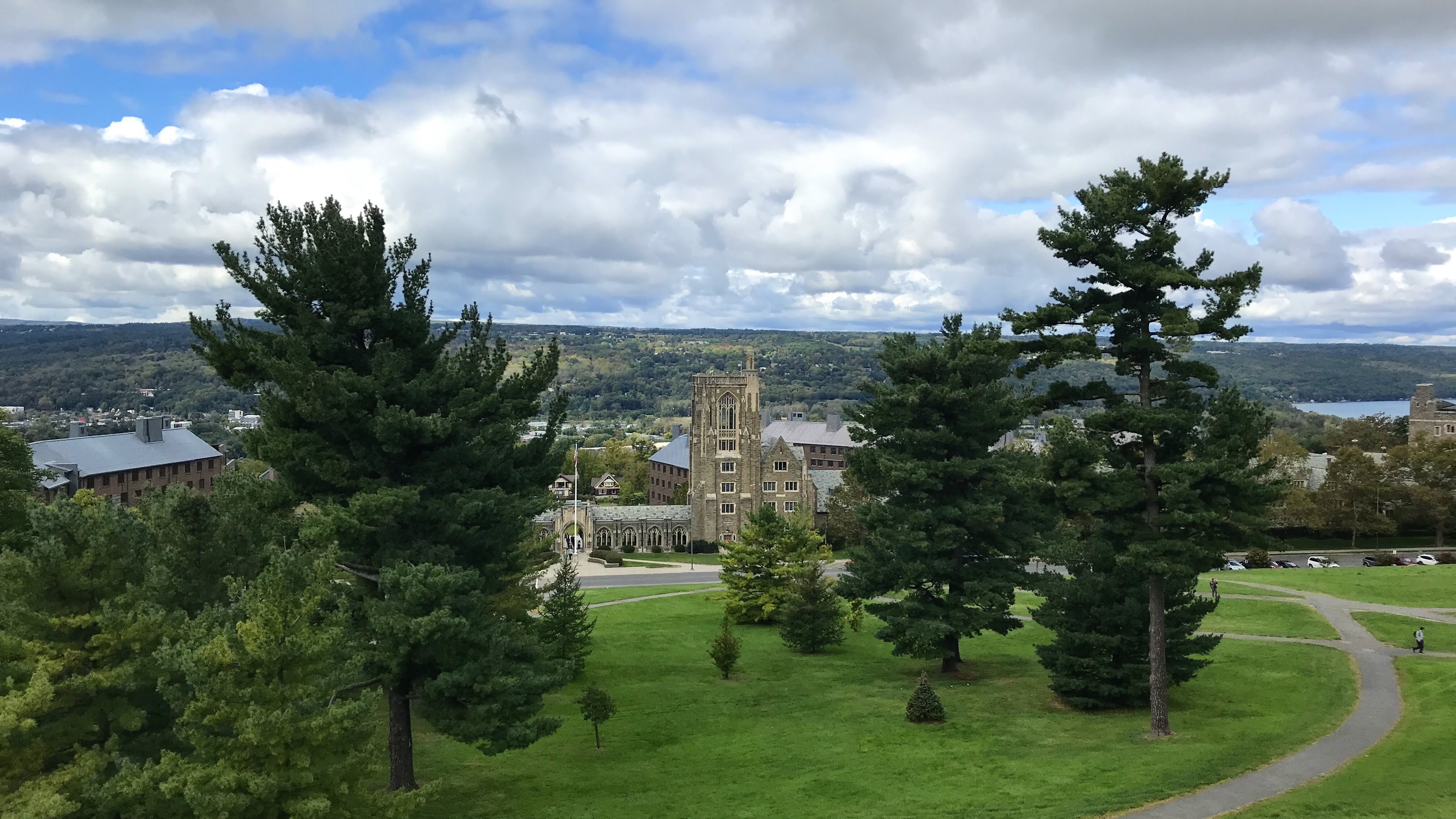
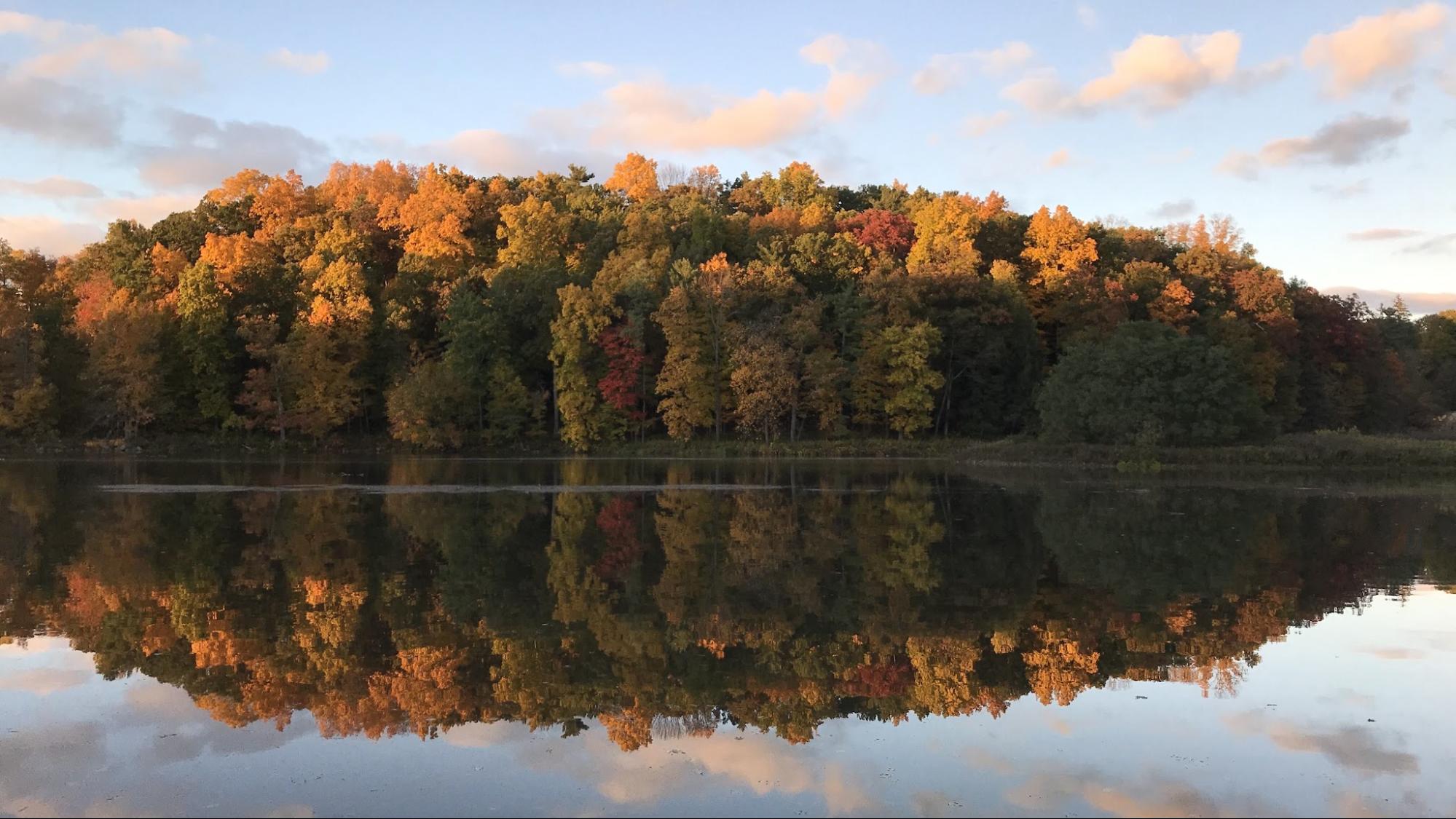 (Beebe Lake, October 2019, two months into my time at Cornell)
`
(Beebe Lake, October 2019, two months into my time at Cornell)
`